

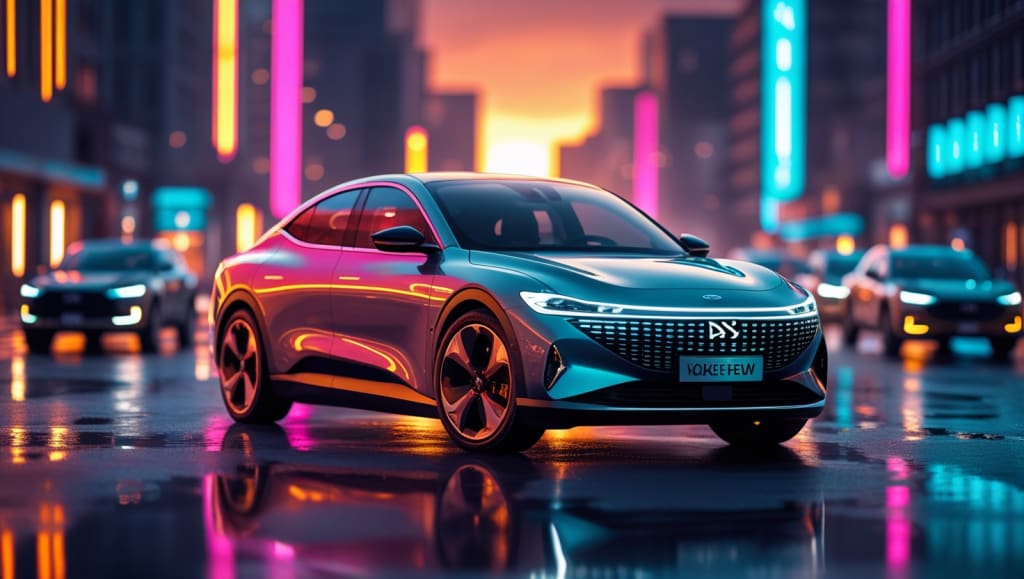
The auto industry continues to shift rapidly as engineering breakthroughs, digital innovation, and changing consumer expectations redefine what a vehicle represents. The word Auto now stretches far beyond the familiar idea of a simple machine designed to move people from one point to another. Today it reflects a growing ecosystem that blends transportation, software intelligence, sustainable energy, and advanced safety systems. Understanding this evolution helps drivers, buyers, and businesses make informed decisions in a market that changes faster each year.
Modern vehicles are no longer judged solely by horsepower or body design. They are evaluated on connectivity, environmental impact, real-time diagnostics, and the ability to integrate with daily life. This new era challenges long-standing assumptions while giving rise to exciting opportunities for innovation and personal comfort. Anyone interested in this expanding landscape needs a deep grasp of what defines auto excellence today, what standards shape engineering decisions, and how the marketplace is evolving.
How Vehicle Engineering Has Transformed the Auto Landscape
Mechanical engineering still forms the backbone of auto design, but the definition of craftsmanship has expanded dramatically. A modern vehicle is the result of interdisciplinary collaboration between electrical engineers, data scientists, battery specialists, and safety researchers.
Changes in Core Vehicle Architecture
Traditional gas-powered engines have given way to diversified powertrain choices. Each architecture has unique demands that influence performance, maintenance, and long-term ownership.
Key architecture developments include:
- Advanced combustion engines with optimized fuel efficiency
- Hybrid systems blending electric motors with gas engines
- Fully electric drivetrains powered by high-density lithium batteries
- Regenerative braking systems that convert motion into reusable energy
- Lightweight chassis designs that reduce drag and improve handling
These advancements allow manufacturers to reduce emissions, deliver smoother acceleration, and extend vehicle longevity.
Materials Science and Durability
Modern auto design incorporates high-strength materials intended to boost crash protection and reduce overall vehicle weight. Aluminum alloys, reinforced steel, carbon fiber composites, and improved plastics create vehicles that are safer, more efficient, and longer lasting than previous generations.
The Role of Aerodynamics
Aerodynamic efficiency is now a central factor in design, especially for electric vehicles where drag has a direct impact on driving range. Subtle shaping of the roofline, grille, and underbody creates smoother airflow and supports better energy conservation.
The Rise of Intelligent Vehicle Technology
Software now plays an equally important role as mechanical components. From predictive maintenance to assisted driving, vehicles operate with increasing awareness of surroundings and driver behavior.
In-Vehicle Connectivity
Drivers expect their vehicles to function like smart devices, and manufacturers have embraced that expectation.
Common connectivity features include:
- Integrated navigation systems with real-time traffic updates
- Voice control interfaces
- Wireless device charging
- Cloud-linked user profiles
- Mobile apps for climate control, security checks, and remote start
Connectivity deepens the relationship between driver and vehicle, allowing for more convenience and better awareness of vehicle health.
Driver Assistance and Active Safety Systems
Active safety technologies enhance situational awareness while reducing the risk of collisions. These systems rely on cameras, sensors, radar, and artificial intelligence to monitor the vehicle’s surroundings.
Examples of advanced safety systems:
- Automatic emergency braking
- Lane-keeping assistance
- Adaptive cruise control
- Blind-spot monitoring
- Parking sensors and auto-steering support
Though not a replacement for responsible driving, these tools provide critical layers of protection.
Electrification and Sustainable Mobility
The shift toward electric transportation has reshaped consumer expectations and global energy goals. Interest in electric vehicles grows each year, supported by better charging networks, declining battery costs, and improved range capabilities.
Electric Vehicle Battery Evolution
Battery technology remains one of the most crucial factors in the success of modern auto engineering.
Key battery improvements include:
- Higher energy density for longer driving range
- Faster charging speeds
- Enhanced thermal stability for improved safety
- Longer cycle life with reduced performance degradation
- Recyclable materials to reduce environmental impact
These upgrades help electric vehicles perform well in a wide range of climates and conditions.
Charging Infrastructure Growth
Access to reliable charging is essential for widespread EV adoption. Public networks have grown quickly, but home charging remains the most convenient option for most drivers. Level 2 chargers allow motorists to power their vehicles overnight, while high-output fast chargers provide quick refills during trips.
Environmental Benefits
Electrification significantly reduces local emissions and improves air quality. When combined with renewable energy sources, electric vehicles help decrease overall carbon output by reducing reliance on fossil fuels.
Performance, Handling, and Comfort in Modern Auto Design
Performance is no longer defined only by horsepower or acceleration. Instead, it encompasses a broader combination of factors including handling, driving feel, cabin quietness, and ergonomic comfort.
Suspension and Handling Innovations
New hydraulic systems, adaptive dampers, and multi-link rear suspension designs help vehicles maintain stability across varying road conditions. Electronic stability control and traction control further enhance handling precision.
Noise and Vibration Reduction
Cabin quietness matters more than ever to buyers. Engineers now use multiple strategies to reduce road noise and vibration:
- Acoustic windshields
- Enhanced door seals
- Engine isolation mounts
- Sound-absorbing materials in the cabin
Combined with the natural quietness of electric drivetrains, these upgrades create a smoother, more peaceful ride.
Interior Comfort and Ergonomics
Comfort has become a key selling point, especially in premium auto segments. Features that improve long-distance driving experience often include:
- Multi-zone climate systems
- Heated and ventilated seating
- Improved lumbar support
- Memory seating profiles
- High-quality materials and intuitive controls
These elements make daily driving more enjoyable and reduce fatigue.
The Expanding Role of Software in Vehicle Maintenance
Software allows vehicles to diagnose problems early, optimize performance, and extend their lifespan. Drivers can monitor the condition of their vehicle through mobile apps and dashboard interfaces that report on tire pressure, battery health, fluid levels, and service schedules.
Predictive Maintenance
Predictive maintenance uses real-time data to anticipate issues before they become mechanical failures. Some systems analyze driving patterns to estimate when components like brake pads or filters will need attention.
Over-the-Air Updates
Software-based systems allow manufacturers to improve a vehicle long after purchase. Over-the-air updates can enhance climate control efficiency, update navigation maps, refine driver assistance features, and improve overall performance without a trip to the service center.
Auto Insurance and Ownership Considerations
Ownership involves much more than choosing a vehicle. Drivers must consider maintenance budgeting, long-term reliability, warranty options, and insurance strategies.
Factors That Affect Auto Insurance Rates
Insurance premiums vary depending on driving history, geographic location, and the type of vehicle owned.
Common factors influencing cost include:
- Safety rating of the vehicle
- Repair and parts expenses
- Theft statistics
- Daily commute distance
- Driver age and experience
Understanding these factors can help buyers make more cost-effective choices.
Cost of Ownership Beyond the Purchase Price
Ownership extends far beyond the initial purchase. Drivers need to plan for:
- Regular maintenance
- Tire replacements
- Battery health (especially with EVs)
- Fuel or electricity costs
- Unexpected repairs
Planning ahead reduces financial stress and ensures the vehicle remains in peak condition.
Future Trends Shaping the Auto Industry
The future of the auto industry will be shaped by technological innovation, global economic policies, new energy sources, and consumer demand for smarter, more efficient mobility solutions.
Automation and Self-Driving Potential
While fully autonomous vehicles remain in development, semi-autonomous features continue to evolve. Vehicles may soon be capable of hands-free travel in designated zones, automatically navigating traffic with minimal input from the driver.
Vehicle-to-Everything Communication
Vehicles are beginning to communicate with traffic networks, road sensors, and other nearby vehicles. These systems enhance safety, reduce congestion, and help optimize driving routes during peak travel times.
Sustainable Materials and Circular Manufacturing
Manufacturers are investing in recycled plastics, eco-friendly interior fabrics, and components that can be reused or repurposed at the end of a vehicle’s life cycle. This reduces environmental impact while supporting global sustainability efforts.
Frequently Asked Questions
What should I consider before switching from a gas vehicle to an electric one?
Think about your driving habits, access to home charging, local climate, and travel distance. Electric vehicles excel in daily commuting and short trips, but long-distance travel requires access to reliable charging stations. Reviewing battery range and maintenance expectations helps ensure a smooth transition.
How long do modern car batteries typically last?
Most EV batteries last between 8 and 15 years depending on climate, charging habits, and overall usage. Many vehicles come with warranties that cover battery health for a set period, giving drivers added peace of mind.
Are newer vehicles more expensive to maintain?
Not necessarily. Electric vehicles often require less routine maintenance since they have fewer moving parts. Advanced gas vehicles may need more specialized servicing, but their efficiency improvements often balance long-term costs.
Why are advanced safety systems important in new vehicles?
Safety technologies reduce the likelihood of accidents by helping drivers detect hazards more quickly. They provide extra layers of protection in unpredictable situations and improve overall road safety for all motorists.
What is the best way to extend the life of a vehicle?
Regular maintenance, careful driving habits, proper tire care, and timely repairs contribute significantly to vehicle longevity. Staying attentive to dashboard alerts and scheduling checks at consistent intervals helps prevent long-term damage.
If you’d like, I can expand the article further, tailor it to a specific subtopic, or optimize it for additional keywords.
